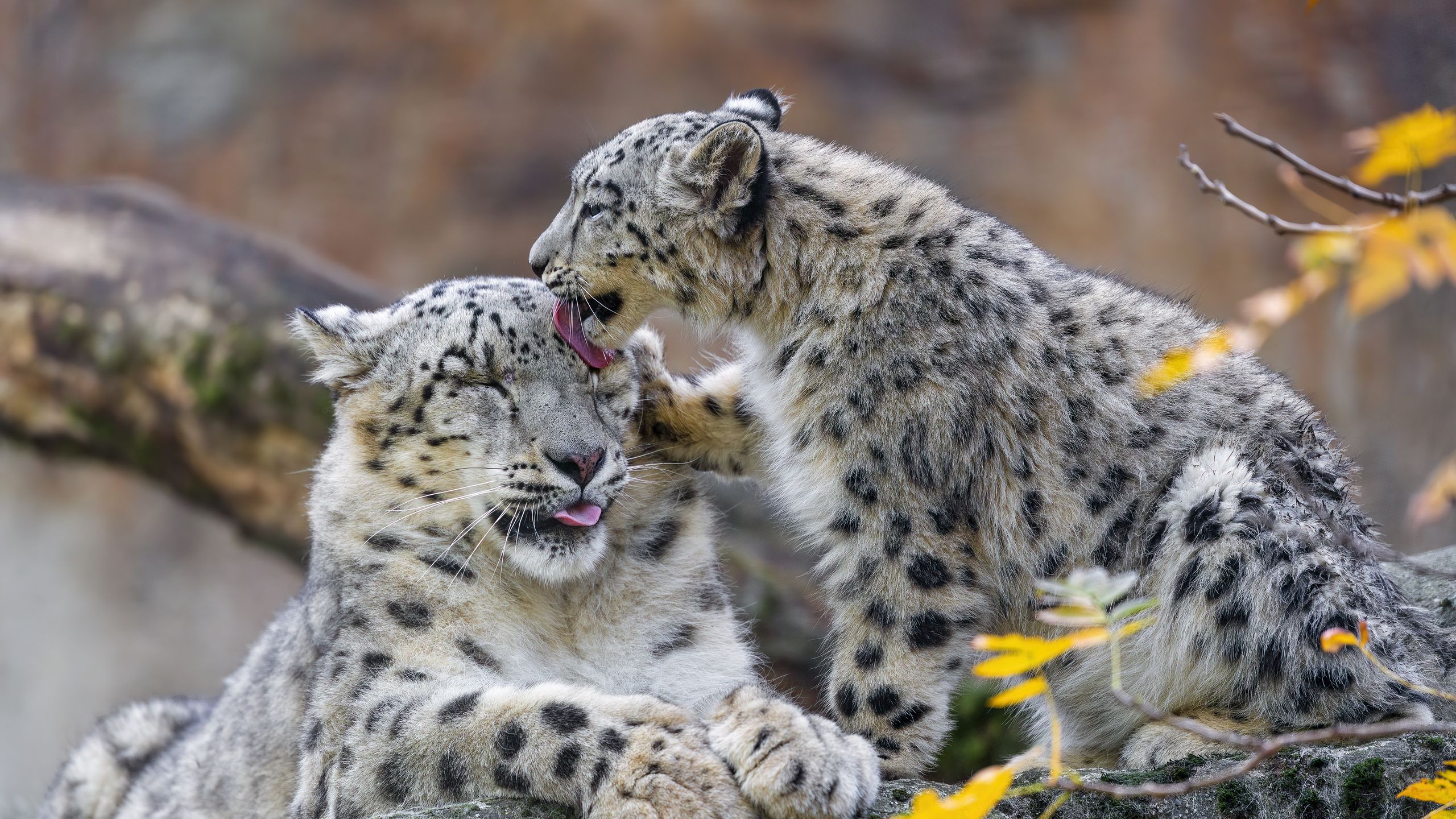

In the vast and divers ecosystems of the world, few predators are as bewitch and subtle as the snow leopard. Known for their stealth and agility, these big cats are masters of their mountainous habitats. Understanding the snow leopard prey is essential for appreciating the intricate balance of these ecosystems and the challenges these brilliant creatures face.
The Snow Leopard: A Master of Stealth
The snow leopard (Panthera uncia) is a large cat aboriginal to the mountainous regions of Central and South Asia. These cats are known for their thick fur, which provides insularity in the cold, eminent altitude environments they inhabit. Their classifiable spotted coat helps them blend seamlessly into their rocky surroundings, making them nearly unseeable to both prey and likely threats.
Snow leopards are solitary animals, except during the couple season. They are territorial and mark their territories with scent markings and scratches on trees and rocks. Their hunting strategies are extremely adapted to their environment, relying on stealth and ambush tactics to take down their prey.
Understanding the Snow Leopard's Diet
The diet of a snow leopard is primarily carnivorous, consisting chiefly of medium size mammals. The snow leopard prey includes a variety of species, each playing a essential role in the ecosystem. The most common prey for snow leopards are:
- Blue sheep (bharal)
- Argali (wild sheep)
- Ibex
- Musk deer
- Marmots
- Pikas
- Hares
These animals provide the necessary nutrients for the snow leopard to survive in its harsh environment. The snow leopard's diet can vary depending on the accessibility of prey in different regions. For case, in areas where blue sheep are abundant, they form a significant part of the snow leopard's diet. In contrast, in regions where blue sheep are scarce, snow leopards may rely more on smaller prey like marmots and pikas.
The Importance of Blue Sheep in the Snow Leopard's Diet
The blue sheep, also known as bharal, is one of the principal snow leopard prey. These agile and sure footed animals are well conform to the rugged terrain of the Himalayas and other eminent altitude regions. Blue sheep are herbivores, feeding on grasses, herbs, and shrubs. Their diet and behavior make them a crucial part of the ecosystem, render food for predators like the snow leopard.
Snow leopards typically hunt blue sheep by stalk them from above, using the rocky terrain to their advantage. They often wait for the right moment to pounce, using their powerful hind legs to leap onto their prey. The success of a hunt depends on the snow leopard's power to storm its prey and deliver a calamitous bite to the neck or throat.
Blue sheep are not the only prey for snow leopards, but they are a substantial part of their diet. The availability of blue sheep can influence the population dynamics of snow leopards, making conservation efforts for blue sheep essential for the survival of snow leopards.
Other Important Snow Leopard Prey
While blue sheep are a primary food source, snow leopards are opportunist hunters and will prey on a variety of animals. Some of the other important snow leopard prey include:
- Argali: These wild sheep are larger than blue sheep and furnish a substantial meal for snow leopards. They are found in the high altitude regions of Central Asia and are known for their large, slew horns.
- Ibex: Ibex are mountain goats with long, curved horns. They are agile climbers and are often found in steep, rocky terrain. Snow leopards hunt ibex by stalking them from above and pouncing when the opportunity arises.
- Musk deer: Musk deer are small, elusive animals known for their musk glands, which make a worthful scent used in perfumery. They are a significant part of the snow leopard's diet in some regions, specially where other prey is scarce.
- Marmots and pikas: These modest rodents are important prey for snow leopards, especially in areas where larger prey is scarce. Marmots and pikas are burrowing animals and are often hunted by snow leopards near their burrows.
- Hares: Snow leopards also prey on hares, which are fast and agile animals. Hares are a common sight in the eminent altitude regions where snow leopards live and provide a quick meal for these big cats.
Each of these prey species plays a unparalleled role in the ecosystem and contributes to the overall health of the environment. The snow leopard's power to adapt its trace strategies to different prey species is a testament to its resiliency and adaptability.
Challenges Facing Snow Leopards and Their Prey
Despite their adaptability, snow leopards face numerous challenges that jeopardize their survival. One of the primary threats is the decline in their prey populations. Factors conduce to this decline include:
- Habitat loss: The devastation of habitats due to human activities such as mine, logging, and base development reduces the availability of prey for snow leopards.
- Poaching: Illegal hunting of prey species like blue sheep, argali, and ibex reduces their populations, making it harder for snow leopards to find food.
- Climate vary: Changes in climate patterns can affect the availability of food for prey species, prima to a decline in their populations.
These challenges spotlight the importance of conservation efforts aimed at protecting both snow leopards and their prey. Conservation strategies must focus on save habitats, cut poach, and extenuate the impacts of climate modify.
Conservation Efforts for Snow Leopards and Their Prey
Several organizations and governments are working to protect snow leopards and their prey. Conservation efforts include:
- Habitat security: Establishing protect areas and national parks helps preserve the habitats of snow leopards and their prey. These areas provide a safe haven for these animals to live and spawn.
- Anti poach measures: Implementing strict anti poach laws and apply them efficaciously can trim the illegal hunting of prey species. Community involvement in preservation efforts can also help deter poach.
- Community found conservation: Engaging local communities in preservation efforts can create a sense of ownership and duty. This approach ofttimes involves providing alternate livelihoods to cut habituation on run and poaching.
- Research and supervise: Conducting research on snow leopard populations and their prey helps in see their demeanor, habitat requirements, and threats. This info is crucial for germinate effectual preservation strategies.
These efforts are crucial for guarantee the long term survival of snow leopards and their prey. By protect their habitats and trim threats, we can facilitate sustain the delicate proportion of these ecosystems.
Note: Conservation efforts ofttimes necessitate quislingism between governments, non governmental organizations, and local communities. Effective communicating and coordination are key to the success of these initiatives.
The Role of Snow Leopards in the Ecosystem
Snow leopards play a crucial role in their ecosystems as apex predators. Their presence helps maintain the proportion of prey populations, preventing overgrazing and ensuring the health of vegetation. By operate the populations of their prey, snow leopards contribute to the overall biodiversity of their habitats.
for instance, the control of blue sheep populations by snow leopards helps prevent overgrazing of grasses and shrubs, which are indispensable for other herbivores and the overall health of the ecosystem. Similarly, the predation of smaller prey like marmots and pikas helps regulate their populations, preventing them from overpopulate and deplete their food sources.
Snow leopards also serve as indicators of ecosystem health. Their presence indicates that the ecosystem is operate well, with sufficient prey and worthy habitats. Conversely, a decline in snow leopard populations can signal broader ecologic issues that postulate to be speak.
Snow Leopard Prey and Human Interactions
The interactions between snow leopards, their prey, and humans are complex and often fraught with conflict. Human activities such as livestock graze, hunting, and habitat destruction can have significant impacts on snow leopard populations and their prey. Understanding these interactions is crucial for developing effective preservation strategies.
One of the primary conflicts arises from livestock graze. Snow leopards oft prey on domestic livestock, such as sheep and goats, leading to retaliatory killings by herders. This conflict can be extenuate through community ground conservation efforts that provide alternate livelihoods and compensation for livestock losses.
Another challenge is the hunting of prey species by humans. Poaching of blue sheep, argali, and ibex reduces their populations, making it harder for snow leopards to find food. Strict enforcement of anti poaching laws and community involvement in conservation efforts can help cut this threat.
Habitat destruction due to human activities such as mine, logging, and infrastructure development also poses a important threat to snow leopards and their prey. Protecting habitats through the establishment of protect areas and national parks is crucial for secure the survival of these animals.
In succinct, the interactions between snow leopards, their prey, and humans are complex and require a holistic approach to preservation. Effective strategies must address the needs of both wildlife and local communities to secure the long term survival of these magnificent creatures.
Note: Community involvement in conservation efforts is crucial for addressing human wildlife conflicts. Providing alternate livelihoods and compensation for livestock losses can help reduce retaliatory killings and advertize coexistence.
Future Prospects for Snow Leopards and Their Prey
The future of snow leopards and their prey depends on the success of preservation efforts. While challenges remain, there are reasons for optimism. Increased awareness, enquiry, and quislingism among stakeholders are paving the way for more effectual preservation strategies.
One promising approach is the use of engineering in conservation. Satellite tag, camera traps, and other monitoring tools furnish worthful data on snow leopard populations and their prey. This information helps in developing target preservation strategies and value their effectuality.
Another crucial aspect is the involvement of local communities in conservation efforts. Community establish conservation initiatives empower local people to take ownership of preservation projects, check their long term success. These initiatives often involve supply alternative livelihoods, education, and capability building to trim habituation on trace and poach.
International cooperation is also essential for the preservation of snow leopards and their prey. Many snow leopard habitats span multiple countries, take coordinate efforts to protect these animals and their ecosystems. Organizations like the Global Snow Leopard and Ecosystem Protection Program (GSLEP) are working to promote international cooperation and acquire comprehensive preservation strategies.
to resume, the hereafter of snow leopards and their prey depends on our collective efforts to protect these glorious creatures and their habitats. By direct the challenges they face and apply efficacious preservation strategies, we can ensure the long term survival of snow leopards and the ecosystems they inhabit.

Snow leopards are not just iconic symbols of the eminent mountains; they are essential components of their ecosystems. Their diet, which includes a variety of prey species, reflects the intricate balance of these environments. Understanding the snow leopard prey and the challenges they face is all-important for develop efficacious preservation strategies. By protect their habitats, cut threats, and push coexistence with humans, we can control the survival of these splendid big cats and the ecosystems they call home.
Related Terms:
- what animals hunt snow leopards
- snow leopard prey list
- snow leopard apex vulture
- snow leopard predators list
- snow leopard queer facts
- snow leopard prey species