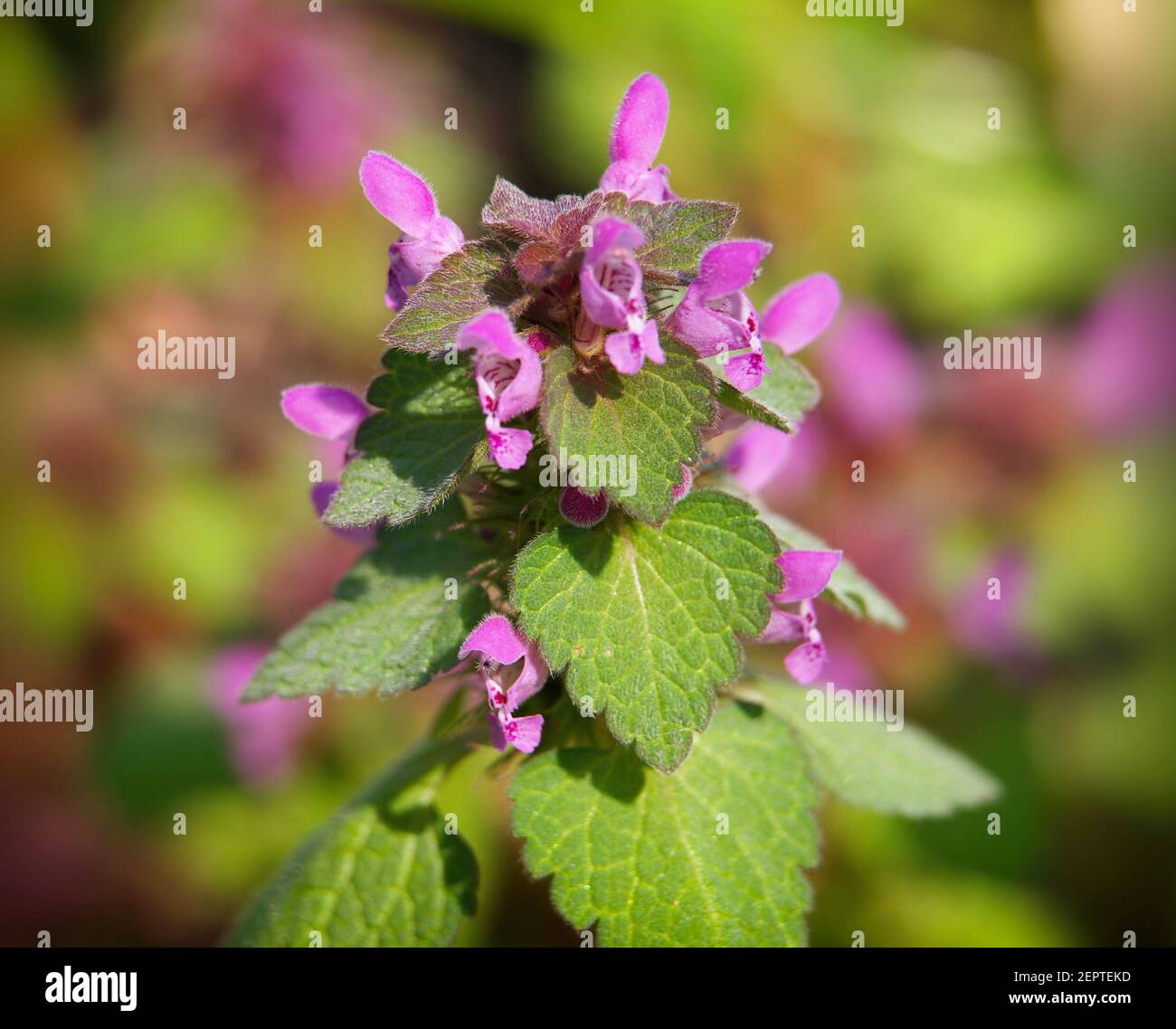

The Purple Deadnettle Plant, scientifically known as Lamium purpureum, is a becharm and versatile herbaceous recurrent that has benefit popularity among gardeners and nature enthusiasts alike. This plant is not only esthetically please but also offers a range of benefits, make it a valuable addition to any garden or landscape. Whether you are a season gardener or a novice, understand the characteristics, care requirements, and uses of the Purple Deadnettle Plant can raise your garden experience.
Characteristics of the Purple Deadnettle Plant
The Purple Deadnettle Plant is a extremity of the mint family, Lamiaceae, and is native to Europe and Asia. It is a low grow, spreading plant that typically reaches a height of 4 to 12 inches and a spread of 12 to 18 inches. The plant is known for its vibrant purple flowers and classifiable foliage, which makes it a standout in any garden setting.
The leaves of the Purple Deadnettle Plant are heart shaped and have a somewhat serrated edge. They are stage in pairs along the stem and have a glossy, dark green color. The flowers are small, tubular, and stage in whorls along the stem. They bloom from early spring to late summertime, providing a long survive display of color.
One of the unique features of the Purple Deadnettle Plant is its power to thrive in a variety of soil conditions. It prefers easily drain soil but can tolerate poor soil and even drought conditions once established. This makes it a low care option for gardeners who want a plant that requires minimal care.
Cultivation and Care
Cultivating the Purple Deadnettle Plant is relatively straightforward, get it an splendid choice for both have and novice gardeners. Here are some key points to view when growing this plant:
- Soil Requirements: The Purple Deadnettle Plant prefers easily drained soil but can tolerate a range of soil types, include sandy and clay soils. It is important to ensure that the soil is not waterlogged, as this can take to root rot.
- Light Requirements: This plant thrives in fond shade to full sun. It can support a range of light conditions, making it a versatile alternative for different garden settings.
- Watering: Once shew, the Purple Deadnettle Plant is drought kind and requires minimal water. However, it is important to h2o it regularly during the first growing season to aid it establish a strong root system.
- Fertilization: The Purple Deadnettle Plant does not necessitate frequent impregnation. A balanced, slow release fertilizer employ in early resile can aid promote healthy growth and flowering.
- Pruning: Regular cut can help sustain the plant's shape and encourage bushier growth. Deadheading spent flowers can also raise uninterrupted blooming throughout the growing season.
When found the Purple Deadnettle Plant, it is significant to space the plants about 12 to 18 inches apart to allow for adequate growth and air circulation. This will also help prevent the spread of diseases and pests.
Note: The Purple Deadnettle Plant can be invasive in some regions, so it is important to monitor its growth and remove any unwanted seedlings to prevent it from propagate beyond the desired area.
Uses of the Purple Deadnettle Plant
The Purple Deadnettle Plant offers a range of uses, get it a valuable addition to any garden or landscape. Here are some of the most common uses:
- Ornamental Purposes: The vibrant purple flowers and glossy foliage of the Purple Deadnettle Plant get it an fantabulous choice for ornamental purposes. It can be used in borders, rock gardens, and as a ground cover.
- Wildlife Attraction: The flowers of the Purple Deadnettle Plant are a worthful source of nectar for bees, butterflies, and other pollinators. By planting this plant in your garden, you can help support local wildlife and encourage biodiversity.
- Medicinal Uses: The Purple Deadnettle Plant has been used in traditional medicine for its anti inflammatory and acerb properties. It can be used to treat a range of ailments, include skin irritations, wounds, and digestive issues.
- Culinary Uses: The young leaves and flowers of the Purple Deadnettle Plant are edible and can be used in salads, soups, and teas. They have a mild, slenderly bitter flavour that pairs well with other herbs and vegetables.
besides these uses, the Purple Deadnettle Plant is also known for its power to improve soil health. Its deep root scheme helps to aerate the soil and improve drainage, create it a valuable increase to any garden or landscape.
Propagation Techniques
Propagating the Purple Deadnettle Plant is relatively easy and can be done through several methods. Here are some of the most mutual extension techniques:
- Seed Propagation: The Purple Deadnettle Plant can be propagated from seeds, which can be sown directly into the garden in early recoil or begin indoors 6 to 8 weeks before the last frost date. Seeds should be sown on the surface of the soil and lightly press down. Keep the soil consistently moist until the seeds germinate, which typically takes 10 to 14 days.
- Division: Established plants can be divide in betimes resile or fall. Dig up the plant and carefully severalise the root ball into smaller sections, ensuring that each subdivision has a healthy root system and several stems. Replant the divisions in well cook soil and water exhaustively.
- Cutting: Stem cuttings can be taken in late form or early summer. Select healthy stems and cut them into 3 to 4 inch sections. Remove the lower leaves and dip the cut end in rooting hormone. Plant the cuttings in a good drain potting mix and maintain them systematically moist until they root, which typically takes 2 to 4 weeks.
When propagating the Purple Deadnettle Plant, it is significant to cater the reserve growing conditions to ensure successful establishment. This includes cater well drain soil, adequate light, and coherent wet.
Note: Propagating the Purple Deadnettle Plant from cuttings can be more dispute than other methods, as the plant may not root easy. It is significant to be patient and furnish the reserve growing conditions to ensure success.
Pests and Diseases
The Purple Deadnettle Plant is generally resistant to pests and diseases, get it a low maintenance option for gardeners. However, it can be susceptible to certain issues if not properly cared for. Here are some mutual pests and diseases to watch out for:
- Pests: The Purple Deadnettle Plant can be impact by aphids, spider mites, and whiteflies. These pests can be operate through regular monitoring and the use of insecticidal soap or neem oil.
- Diseases: The plant can be susceptible to powdery mildew and root rot, peculiarly in humid conditions or poorly drain soil. To prevent these diseases, ensure adequate space between plants, render full air circulation, and avoid overwatering.
Regular review of the plant can aid detect any issues betimes, countenance for prompt treatment and bar of further damage. By ply the capture growing conditions and regular care, you can aid assure the health and vitality of your Purple Deadnettle Plant.
Companion Planting
Companion imbed is a technique that involves turn different plants together to promote common benefits, such as improved growth, pest control, and soil health. The Purple Deadnettle Plant is an fantabulous companion plant due to its ability to attract good insects and improve soil conditions. Here are some plants that pair good with the Purple Deadnettle Plant:
| Companion Plant | Benefits |
|---|---|
| Lavender | Attracts pollinators and repels pests |
| Rosemary | Improves soil health and repels pests |
| Thyme | Attracts beneficial insects and improves soil health |
| Marigolds | Repels nematodes and other pests |
| Nasturtiums | Attracts beneficial insects and repels pests |
By incorporating these companion plants into your garden, you can create a diverse and thriving ecosystem that supports the health and vim of your Purple Deadnettle Plant and other plants.
Note: When companion found, it is crucial to take the specific needs and preferences of each plant to ensure they can coexist harmoniously. Providing adequate space, light, and h2o can assist upgrade healthy growth and prevent competition between plants.
Harvesting and Storage
Harvesting the Purple Deadnettle Plant can be done throughout the growing season, depending on your intended use. Here are some tips for harvest and store this versatile plant:
- Harvesting: For culinary uses, harvest the young leaves and flowers in the morning when they are at their freshest. For medicative uses, harvest the entire plant during the flowering stage, as this is when it contains the highest concentration of fighting compounds.
- Storage: Fresh leaves and flowers can be store in the icebox for up to a week. For thirster term storage, they can be dried or frozen. To dry, hang the plant upside down in a easily ventilated area until completely dry. To freeze, chop the leaves and flowers and store them in an airtight container in the freezer.
By following these glean and storage tips, you can assure that your Purple Deadnettle Plant remains fresh and flavorful for an lead period.
Note: When reap the Purple Deadnettle Plant, it is crucial to avoid over reap, as this can weaken the plant and reduce its power to make new growth. Harvesting no more than one third of the plant at a time can aid insure its continue health and vitality.
besides its ornamental and culinary uses, the Purple Deadnettle Plant is also known for its power to amend soil health. Its deep root scheme helps to aerate the soil and improve drainage, get it a valuable addition to any garden or landscape.
By incorporate the Purple Deadnettle Plant into your garden, you can create a beautiful and functional space that supports local wildlife, promotes biodiversity, and enhances the overall health of your garden ecosystem.
to sum, the Purple Deadnettle Plant is a versatile and worthful improver to any garden or landscape. Its vivacious purple flowers, glossy foliage, and range of uses create it a democratic choice among gardeners and nature enthusiasts alike. By interpret its characteristics, care requirements, and uses, you can successfully cultivate this plant and enjoy its many benefits. Whether you are a seasoned gardener or a novice, the Purple Deadnettle Plant offers a honour and pleasurable garden experience.
Related Terms:
- lamium purpureum how to turn
- lamium purpureum
- purple dead nettle side effects
- how to identify dead nettle
- purple dead nettle herbicide
- purple dead nettle designation