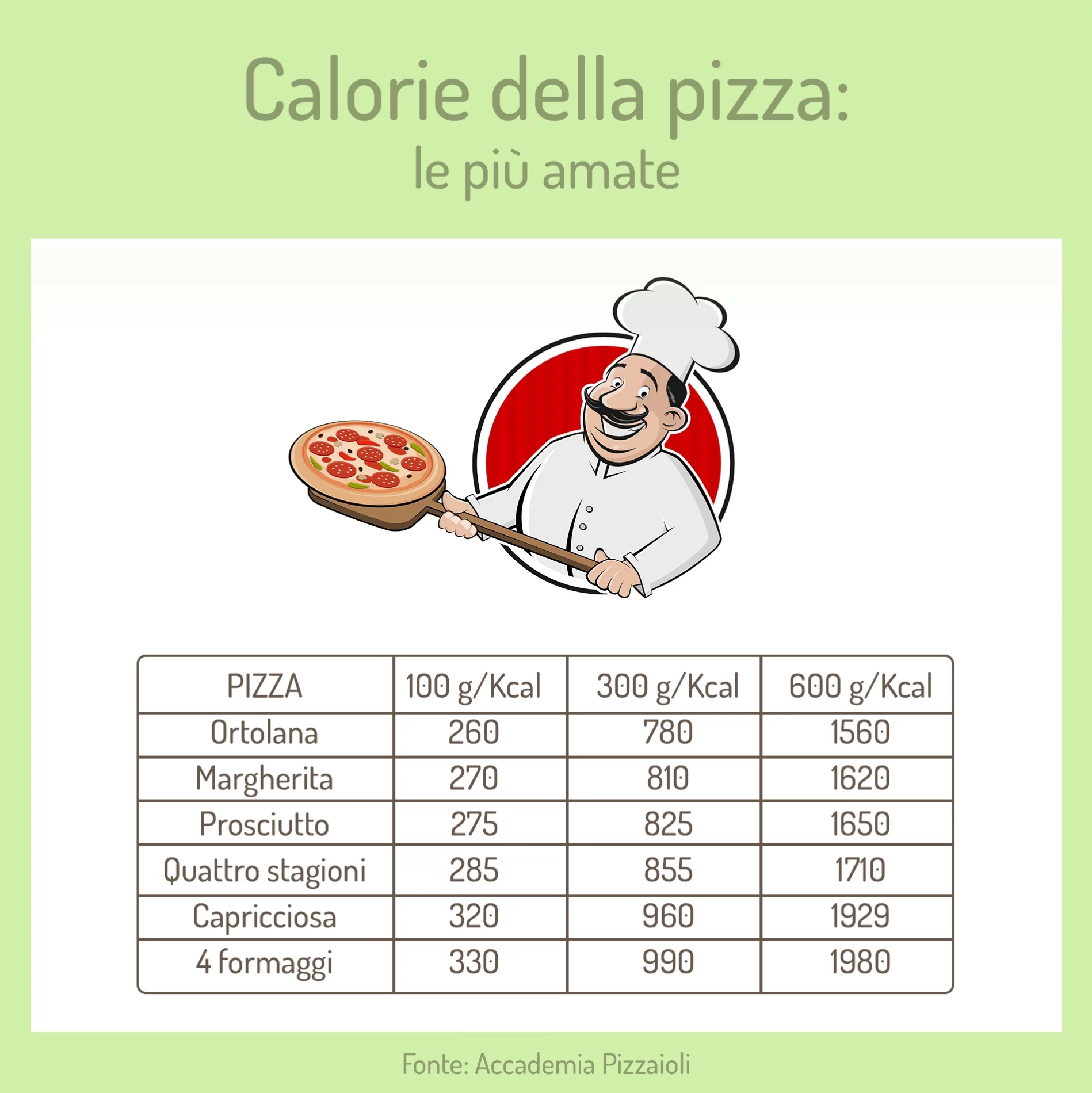

Pizza is a beloved dish worldwide, and interpret the nutritionary message of a pizza slice, especially the pizza slice kcal, is essential for those who are health conscious or postdate a specific diet. Whether you're love a classic Margherita, a meat lovers delight, or a veggie compact pie, knowing the caloric value can help you get inform choices. This blog post will delve into the nutritionary aspects of pizza slices, concenter on the pizza slice kcal, and provide tips on how to enjoy your favorite pizza while maintaining a equilibrize diet.
Understanding Pizza Slice Kcal
When it comes to pizza, the thermic content can vary wide look on the type of crust, toppings, and cheese used. A standard slice of pizza typically ranges from 200 to 400 calories. However, this can vacillate based on the specific ingredients and part size. For illustration, a thin crust pizza slice with minimal toppings will generally have fewer calories liken to a deep dish pizza charge with cheese and meats.
To get a clearer ikon, let's break down the thermic message of different types of pizza slices:
- Thin Crust Pizza: A slice of thin crust pizza usually contains around 150 250 calories. This type of crust is lighter and ofttimes has fewer calories due to its diluent base.
- Regular Crust Pizza: A slice of regular crust pizza typically ranges from 200 300 calories. This is the most mutual type of crust and offers a equilibrate thermal substance.
- Deep Dish Pizza: A slice of deep dish pizza can contain 300 500 calories or more. The thicker crust and generous amounts of cheese and toppings contribute to the higher thermal value.
- Stuffed Crust Pizza: A slice of stuff crust pizza can range from 350 500 calories. The extra cheese and sometimes other fillings inside the crust add to the caloric substance.
Factors Affecting Pizza Slice Kcal
Several factors influence the pizza slice kcal. Understanding these factors can help you make healthier choices when say or do pizza at home.
- Crust Type: The type of crust significantly impacts the caloric message. Thin crusts are mostly lower in calories, while thick and stuffed crusts are higher.
- Toppings: The choice of toppings can greatly regard the thermic value. Meat toppings like pepperoni, sausage, and bacon are higher in calories and fat. Vegetable toppings like bell peppers, onions, and mushrooms are lower in calories.
- Cheese: The amount and type of cheese used can also impact the thermic content. More cheese means more calories, and certain types of cheese, like mozzarella, are higher in calories than others.
- Sauce: The type of sauce used can also make a difference. Traditional tomato sauce is broadly lower in calories, while cream based sauces or those with added sugars can be higher.
- Portion Size: The size of the pizza slice can vary, affecting the caloric content. Larger slices will course have more calories than smaller ones.
Nutritional Breakdown of a Pizza Slice
Beyond the pizza slice kcal, it's crucial to reckon the overall nutritional substance. A typical pizza slice provides a mix of carbohydrates, proteins, and fats. Here's a breakdown of what you might find in a standard slice of pizza:
| Nutrient | Amount per Slice |
|---|---|
| Calories | 200 400 kcal |
| Carbohydrates | 25 40 grams |
| Protein | 10 20 grams |
| Fat | 8 20 grams |
| Fiber | 2 4 grams |
| Sodium | 600 1000 mg |
These values can vary based on the specific ingredients and portion size. For a more accurate nutritionary breakdown, it's helpful to check the nutritional information provided by the restaurant or pizza brand.
Note: The nutritional message can vary significantly based on the specific ingredients and portion size. Always check the nutritionary information provided by the restaurant or pizza brand for the most accurate data.
Healthier Pizza Options
If you're appear to enjoy pizza while continue an eye on your pizza slice kcal, there are several healthier options to consider:
- Whole Wheat Crust: Opting for a whole wheat crust can increase the fiber substance and provide more nutrients liken to a traditional white crust.
- Veggie Toppings: Choosing vegetable toppings like bell peppers, onions, mushrooms, and spinach can add flavor and nutrients without importantly increase the caloric message.
- Lean Proteins: Instead of eminent fat meats, opt for lean proteins like grilled chicken or turkey pepperoni.
- Light Cheese: Requesting less cheese or choosing a lower fat cheese option can help reduce the caloric substance.
- Thin Crust: A thin crust pizza will broadly have fewer calories compare to a thick or stuff crust.
Making Healthier Pizza at Home
If you prefer to create pizza at home, you have more control over the ingredients and can make a healthier version. Here are some tips for making a healthier pizza:
- Use Whole Wheat Flour: Making your own dough with whole wheat flour can increase the roughage and nutrient message.
- Add Vegetables: Load up on vegetables like bell peppers, onions, spinach, and tomatoes to add look and nutrients.
- Choose Lean Proteins: Opt for lean proteins like grill chicken, turkey pepperoni, or even tofu for a vegetarian alternative.
- Use Less Cheese: Reduce the amount of cheese or select a lower fat cheese option to lower the caloric message.
- Make Your Own Sauce: Creating your own tomato sauce allows you to control the ingredients and avoid bring sugars and fats.
By get these adjustments, you can enjoy a delightful pizza while proceed the pizza slice kcal in check.
Note: Experiment with different toppings and ingredients to find the combination that works best for your dietary needs and preferences.
Balancing Pizza in Your Diet
Pizza can be a part of a equilibrise diet, but it's important to enjoy it in moderation. Here are some tips for poise pizza in your diet:
- Portion Control: Pay care to share sizes and avoid overeating. A single slice of pizza can be a satisfy snack or part of a meal.
- Pair with Vegetables: Pair your pizza with a side of vegetables or a salad to add more nutrients and fiber to your meal.
- Stay Hydrated: Drink plenty of h2o to stay hydrated and facilitate with digestion.
- Balance with Exercise: Incorporate regular physical action into your routine to facilitate proportion the calories consumed from pizza.
By follow these tips, you can enjoy pizza as part of a balanced diet without compromising your health goals.
Pizza is a beloved dish that can be savor in relief as part of a equilibrise diet. Understanding the pizza slice kcal and do informed choices about toppings and crust types can facilitate you enjoy your favorite pizza while maintain a healthy lifestyle. Whether you re order from a restaurant or make pizza at home, there are plenty of options to create a healthier version that suits your dietary needs. By paying attending to portion sizes, geminate pizza with vegetables, and stick hydrated, you can enjoy pizza as part of a balance diet without compromise your health goals.
Related Terms:
- average calories in pizza slice
- 1 slice of pizza
- pizza nutritional value chart
- calories in one slice pizza
- one piece of pizza calories
- cals in a pizza slice