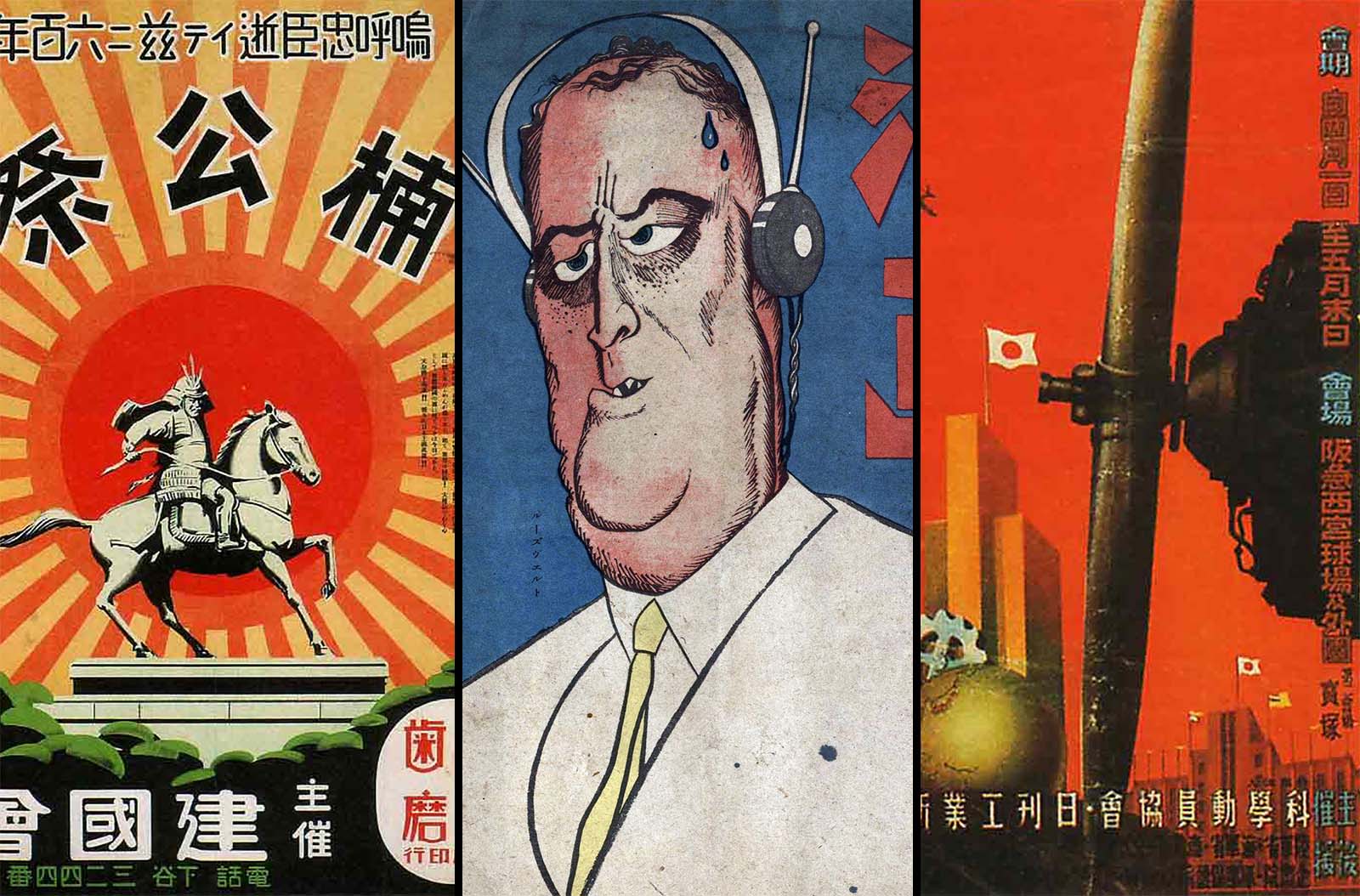

Japanese WW2 propaganda play a pivotal role in influence public opinion and morale during the riotous years of World War II. The Japanese government and military utilized a variety of media, including posters, films, and radio broadcasts, to disseminate their messages. These propaganda efforts were designed to rally the Japanese people behind the war effort, demonize the enemy, and promote national unity. Understanding the strategies and themes of Japanese WW2 propaganda provides worthful insights into the psychological and political dynamics of the time.
The Role of Propaganda in Japanese Society
Propaganda was not a new concept in Japan, but its use during World War II reach unprecedented levels. The Japanese government recognized the ability of propaganda to summon the population and maintain support for the war. Key objectives of Japanese WW2 propaganda include:
- Boosting national morale and unity
- Encouraging military recruitment and support
- Promoting nationalism and loyalty to the Emperor
- Demonizing the enemy, particularly the United States and the Allies
- Justifying Japan s expansionist policies and military actions
Key Themes in Japanese WW2 Propaganda
Japanese WW2 propaganda employed several recur themes to achieve its goals. These themes were cautiously crafted to vibrate with the Japanese population and reinforce their commitment to the war effort.
Patriotism and Loyalty to the Emperor
One of the most prominent themes in Japanese WW2 propaganda was the emphasis on patriotism and loyalty to the Emperor. The Emperor was portrayed as a divine figure, and his subjects were anticipate to create the ultimate sacrifice for him and the nation. Propaganda ofttimes portray the Emperor as a charitable ruler who cared deeply for his people, encouraging them to fight for his glory and the honor of Japan.
Military Glory and Heroism
Propaganda also glorify the Japanese military, impersonate soldiers as heroes who were oppose for a just cause. Stories of bravery and sacrifice were widely diffuse to inspire others to join the military and endorse the war effort. The image of the soldier as a selfless patriot was used to encourage enlistment and preserve morale on the home front.
Demonization of the Enemy
Japanese WW2 propaganda often picture the enemy, particularly the United States and the Allies, as evil and barbarian. This demonization serve to rationalize Japan s military actions and rally the population against a perceived mutual threat. Propaganda posters and films often prove Allied soldiers as bestial and inhumane, counterpoint them with the noble and selfless Japanese soldiers.
National Unity and Sacrifice
Propaganda emphasise the importance of national unity and sacrifice for the greater full. The Japanese people were promote to create personal sacrifices, such as ration food and resources, to support the war effort. The message was open: everyone had a role to play in the war, and corporate sacrifice was crucial for victory.
Media and Techniques Used in Japanese WW2 Propaganda
Japanese WW2 propaganda utilized a variety of media and techniques to reach a wide hearing. The most mutual forms of propaganda included posters, films, radio broadcasts, and newspapers.
Posters
Posters were one of the most efficient and wide used forms of Japanese WW2 propaganda. They were exhibit in public places, such as train stations, schools, and factories, to attain a broad hearing. Posters often featured bold images and slogans contrive to inspire patriotism and encourage support for the war effort. Some of the most iconic posters draw soldiers in battle, the Emperor, and scenes of national unity.
Films
Films were another potent puppet used in Japanese WW2 propaganda. The government make legion propaganda films that were shown in theaters and schools. These films often depict heroic soldiers, the glory of the Japanese military, and the evil of the enemy. They were used to rally indorse for the war and promote national unity.
Radio Broadcasts
Radio broadcasts were a all-important medium for disperse propaganda messages. The government used radio to gain a all-encompassing hearing, include those in remote areas. Radio broadcasts often feature speeches by government officials, military leaders, and the Emperor himself. These broadcasts were used to convey crucial messages, such as the need for sacrifice and the glory of the Japanese military.
Newspapers
Newspapers play a significant role in spread propaganda messages. The government controlled the media, and newspapers were used to circularise official propaganda. Articles often highlighted the achievements of the Japanese military, the sacrifices made by the universe, and the evil of the enemy. Newspapers were also used to publish official statements and speeches by government and military leaders.
Impact of Japanese WW2 Propaganda
Japanese WW2 propaganda had a profound impact on the Japanese population and the war effort. It successfully rally endorse for the war, promoted national unity, and encouraged sacrifice. However, it also had long lasting effects on Japanese society and acculturation.
Mobilization of the Population
Propaganda was subservient in mobilizing the Japanese population for the war effort. It further enlistment in the military, advance ration and preservation, and further a sense of national unity. The universe was united in their indorse for the war, and propaganda play a important role in maintaining morale and motivation.
Long Term Effects on Japanese Society
Japanese WW2 propaganda had long go effects on Japanese society and culture. The emphasis on nationalism, loyalty, and sacrifice keep to influence Japanese values and attitudes long after the war end. The legacy of propaganda can still be seen in present-day Japanese acculturation, where themes of national unity and sacrifice are often lionise.
Note: The wallop of Japanese WW2 propaganda extended beyond the war years, shape the collective memory and national individuality of Japan.
Notable Examples of Japanese WW2 Propaganda
Several famed examples of Japanese WW2 propaganda illustrate the themes and techniques used during the war. These examples provide a glimpse into the power and effectiveness of propaganda in shaping public opinion and morale.
Posters
One of the most iconic posters from the Japanese WW2 propaganda campaign is the Banzai Charge poster. This posting depicts a group of Japanese soldiers charging into battle with bayonets fixed, symbolize their bravery and determination. The post-horse s bold imagery and loyal message made it a potent creature for summon endorse for the war.
Films
The film The Human Bullet is a famed model of Japanese WW2 propaganda. Released in 1943, the film tells the story of a Japanese soldier who sacrifices himself to destroy an enemy tank. The film s portrayal of selfless valiancy and sacrifice resonated with the Japanese hearing and reinforced the themes of patriotism and loyalty to the Emperor.
Radio Broadcasts
Radio broadcasts boast speeches by the Emperor were specially effective in rallying back for the war. The Emperor s speeches were much broadcast live and were used to convey significant messages, such as the demand for sacrifice and the glory of the Japanese military. These broadcasts facilitate to maintain morale and push national unity.
Comparative Analysis with Other WW2 Propaganda
Japanese WW2 propaganda partake many similarities with propaganda efforts by other Axis and Allied powers. However, there were also renowned differences in themes, techniques, and objectives.
Similarities
Like other WW2 propaganda campaigns, Japanese propaganda purport to:
- Boost national morale and unity
- Encourage military recruitment and indorse
- Promote patriotism and loyalty
- Demonize the enemy
- Justify military actions and expansionist policies
Differences
Japanese WW2 propaganda differed from other campaigns in several ways:
- Emphasis on loyalty to the Emperor as a divine figure
- Use of Shinto and Buddhist themes to reinforce national unity
- Focus on corporate sacrifice and self-sacrifice
- Portrayal of the enemy as uncivilized and inhumane
Japanese WW2 propaganda was unique in its emphasis on the Emperor as a divine bod and the use of spiritual themes to reinforce national unity. The portrayal of the enemy as barbaric and inhumane was also a distinctive feature of Japanese propaganda, contrasting with the more nuanced portrayals used by other powers.
Legacy and Contemporary Relevance
Japanese WW2 propaganda continues to be a subject of study and debate, offering valuable insights into the psychological and political dynamics of war. Understanding the strategies and themes of Japanese WW2 propaganda can help us bettor comprehend the role of propaganda in present-day conflicts and the manipulation of public opinion.
In contemporary times, the legacy of Japanese WW2 propaganda can be seen in several forms of media and political discourse. Themes of national unity, patriotism, and sacrifice keep to vibrate in modernistic societies, and the techniques used in propaganda remain relevant in determine public opinion and morale.
Moreover, the study of Japanese WW2 propaganda provides a monitory tale about the dangers of unchecked propaganda and the manipulation of public opinion. It serves as a monitor of the importance of critical cogitate, media literacy, and the need for transparency in government communications.
Japanese WW2 propaganda was a powerful puppet used by the Japanese government and military to shape public opinion and morale during the war. Its themes of nationalism, loyalty, and sacrifice preserve to influence Japanese society and acculturation, and its legacy serves as a reminder of the suffer impingement of propaganda on public opinion and national individuality.
Japanese WW2 propaganda was a multifaceted campaign that utilized several media and techniques to achieve its goals. From posters and films to radio broadcasts and newspapers, propaganda play a important role in mobilizing the Japanese population and maintaining support for the war effort. The themes of nationalism, loyalty, and sacrifice were fundamental to Japanese propaganda, and their impact can still be seen in modern-day Japanese society and culture.
Understanding the strategies and themes of Japanese WW2 propaganda provides valuable insights into the psychological and political dynamics of war. It also serves as a prophylactic tale about the dangers of unchecked propaganda and the manipulation of public opinion. By analyse Japanese WW2 propaganda, we can punter comprehend the role of propaganda in modern-day conflicts and the importance of critical consider and media literacy in a popular society.
Related Terms:
- second sino japanese war propaganda
- japanese impersonation ww2
- ww2 propaganda japan
- japanese artwork ww2
- japanese kamikaze propaganda
- japan's propaganda in ww2