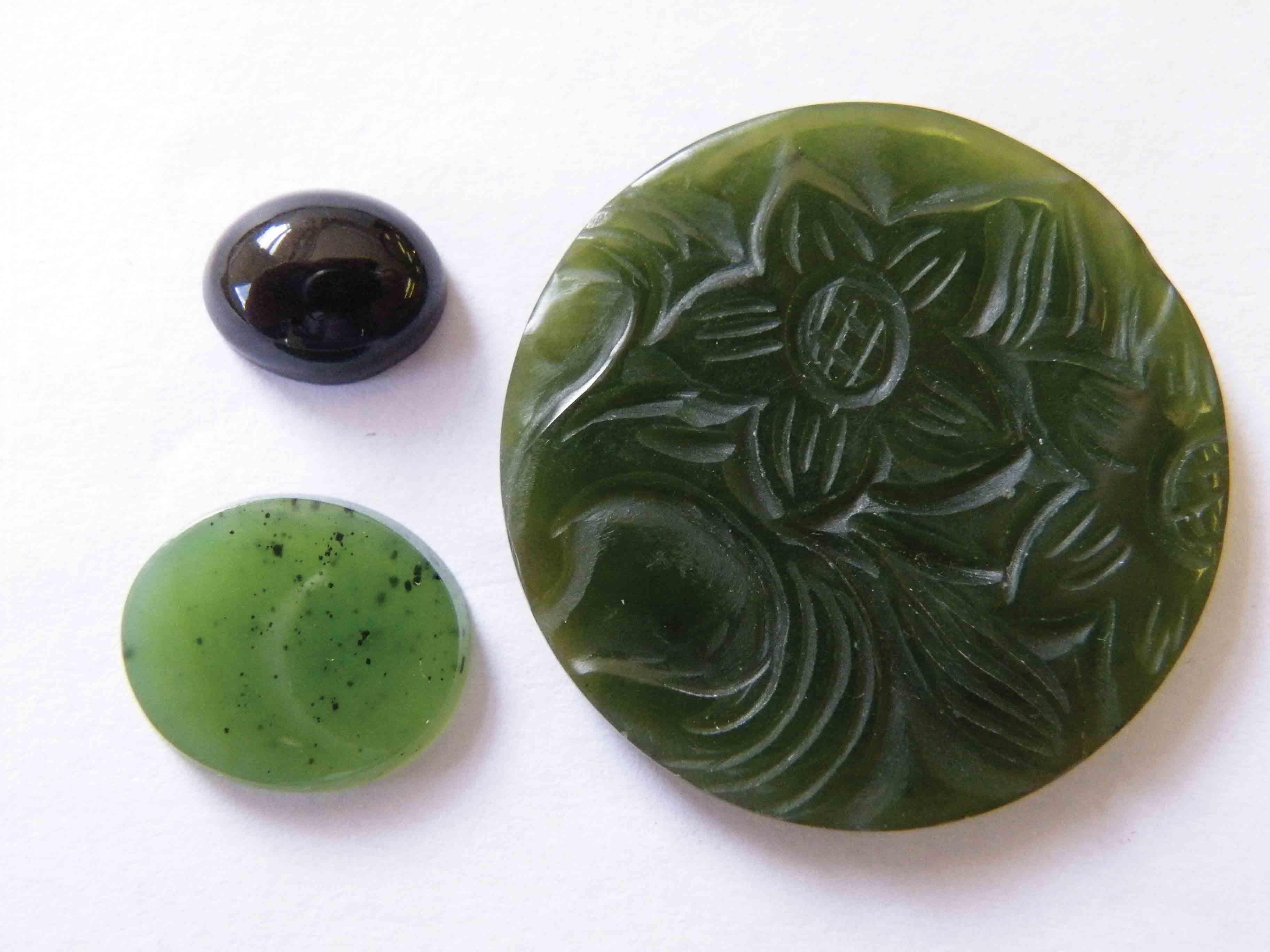

Jade, a semi treasured gemstone, has captivated cultures around the reality for thousands of years. Its allurement extends far beyond its esthetical beauty, delving into the realms of ethnic meaning, spiritual symbolism, and even practical applications. In Chinese acculturation, jade holds a particularly revered status, deep enlace with the nation's history, traditions, and beliefs. This exploration will delve into the multifaceted significance of Jade in Chinese acculturation, from its historical roots to its mod day relevancy.
Historical Significance of Jade in Chinese Culture
The history of jade in China dates back to the Neolithic period, around 6000 BCE. Archaeological findings uncover that ancient Chinese civilizations valued jade not only for its beauty but also for its perceived unearthly and protective properties. Jade artifacts from this era include ornaments, tools, and ritual objects, indicating its importance in both daily life and spiritual ceremonies.
During the Shang and Zhou dynasties (1600 221 BCE), jade became a symbol of power and status. Royalty and aristocracy were ofttimes buried with jade artifacts, believed to protect the deceased in the afterlife. The practice of jade burial suits, where the body was encased in jade pieces, became prevalent among the elite. This tradition underscored the belief in jade's ability to preserve the body and insure a smooth transition to the afterlife.
The Symbolism of Jade in Chinese Culture
In Chinese culture, jade is often relate to as the "stone of heaven" and is associated with various virtues and qualities. These include:
- Purity and Virtue: Jade is seen as a symbol of honor and moral unity. Its semitransparent and unblemished appearance is often compare to the virtues of a virtuous person.
- Wisdom and Serenity: The calm and soothe green colour of jade is linked to wisdom and placidity. It is believed to wreak a sense of peace and balance to those who possess it.
- Prosperity and Good Fortune: Jade is also associated with wealth and good luck. It is much yield as a gift to work prosperity and ward off evil spirits.
- Longevity and Health: The strength and insensibility of jade are seen as symbols of longevity and full health. It is trust to have healing properties and is often used in traditional Chinese medicine.
These symbolic meanings have made jade an integral part of Chinese art, lit, and philosophy. It is oft render in paintings, sculptures, and poetry, mull its deep ethnical import.
Jade in Chinese Art and Craftsmanship
Chinese artisans have long been renowned for their skill in carve and crafting jade. The techniques and styles have evolved over centuries, resulting in a rich tradition of jade artistry. Some of the most notable forms of jade workmanship include:
- Carvings and Sculptures: Jade carvings range from intricate figurines and animals to refine scenes from mythology and history. These carvings often showcase the artisan's mastery of the material and the cultural stories they represent.
- Jewelry and Ornaments: Jade is commonly used in jewelry, include pendants, bracelets, and rings. These pieces are not only decorative but also carry symbolic meanings and are ofttimes passed down through generations.
- Ritual Objects: Jade is used in various ritual objects, such as ceremonial vessels, seals, and amulets. These objects are often diffuse with spiritual implication and are used in religious and ethnical ceremonies.
One of the most famous examples of jade workmanship is the He Shi Bi, a jade disc with a primal hole, oft used in ancient rituals. This artifact is a testament to the skill and artistry of Chinese jade carvers.
The Role of Jade in Chinese Medicine
In traditional Chinese medicine, jade is believed to have respective healing properties. It is much used in the form of pendants, bracelets, or even powdered form to treat ailments and promote overall well being. Some of the health benefits attributed to jade include:
- Detoxification: Jade is think to help detoxify the body by absorb negative energies and impurities.
- Energy Balance: It is thought to balance the body's energy, or qi, elevate harmony and well being.
- Pain Relief: Jade is used to alleviate pain, especially in the joints and muscles, by reducing inflammation and improving circulation.
While scientific evidence supporting these claims is limited, the cultural belief in jade's cure properties continues to be an important aspect of Chinese medicine.
Jade in Modern Chinese Culture
In modern-day Chinese society, jade remains a cherished symbol of cultural heritage and personal identity. It is much worn as jewelry or display in homes as a decorative item. The appreciation for jade has also extend to the global market, where Chinese jade is extremely sought after by collectors and enthusiasts worldwide.
Modern jade artisans preserve to introduce, intermingle traditional techniques with modern-day designs. This fusion of old and new ensures that the art of jade craftsmanship remains vivacious and relevant in the 21st century.
Additionally, jade is often featured in modern Chinese literature, films, and television shows, contemplate its enduring cultural implication. It serves as a symbol of tradition, elegance, and timeless beauty, resonating with audiences both within and outside of China.
Types of Jade in Chinese Culture
In Chinese acculturation, there are two chief types of jade: nephrite and jadeite. Each has its alone characteristics and cultural signification.
| Type of Jade | Characteristics | Cultural Significance |
|---|---|---|
| Nephrite | Soft, white to green coloring, often with a waxy luster. | Traditionally used in ancient China, ofttimes associate with innocence and virtue. |
| Jadeite | Harder, with a wider range of colors include green, lavender, and red. | Introduced to China from Burma in the 18th century, extremely esteem for its beauty and tenuity. |
Both types of jade are highly esteem, but jadeite is often reckon more worthful due to its oddment and vibrant colors.
Note: The value of jade can vary greatly depending on its quality, colour, and craftsmanship. It is important to attempt expert advice when purchasing jade to ensure authenticity and value.
Jade in Chinese Festivals and Celebrations
Jade plays a significant role in respective Chinese festivals and celebrations. During the Lunar New Year, for instance, jade ornaments and jewelry are frequently yield as gifts to bring good fortune and prosperity. Similarly, during weddings, jade is incorporate into the bride's attire and accessories, typify honor, virtue, and a proportionate marriage.
In traditional Chinese funerals, jade is used to honor the pass and ensure their safe passage into the afterlife. Jade burial suits and jade artifacts are order in the tomb to protect the spirit and wreak peace.
These practices spotlight the deep root belief in jade's religious and protective properties, making it an crucial part of Chinese ethnical rituals.
Jade is also boast in diverse Chinese festivals, such as the Mid Autumn Festival and the Dragon Boat Festival. During these celebrations, jade ornaments and decorations are used to enhance the festive atmosphere and symbolize full luck and prosperity.
In summary, jade's implication in Chinese culture is multifaceted, comprehend historic, symbolic, aesthetic, and religious dimensions. Its weather appeal and relevance in modernistic times underscore its dateless value and cultural importance.
Jade in Chinese acculturation is more than just a cherished gemstone; it is a symbol of tradition, virtue, and spiritual connection. From its historical roots to its modern day applications, jade continues to capture and inspire, ruminate the rich tapestry of Chinese heritage. Its support implication serves as a testament to the deep ethnical and spiritual values that have forge Chinese society for millennia.
Related Terms:
- jade in chinese google translate
- chinese names intend jade
- jade in chinese character
- jade in chinese culture
- jade in chinese name
- jade in japanese