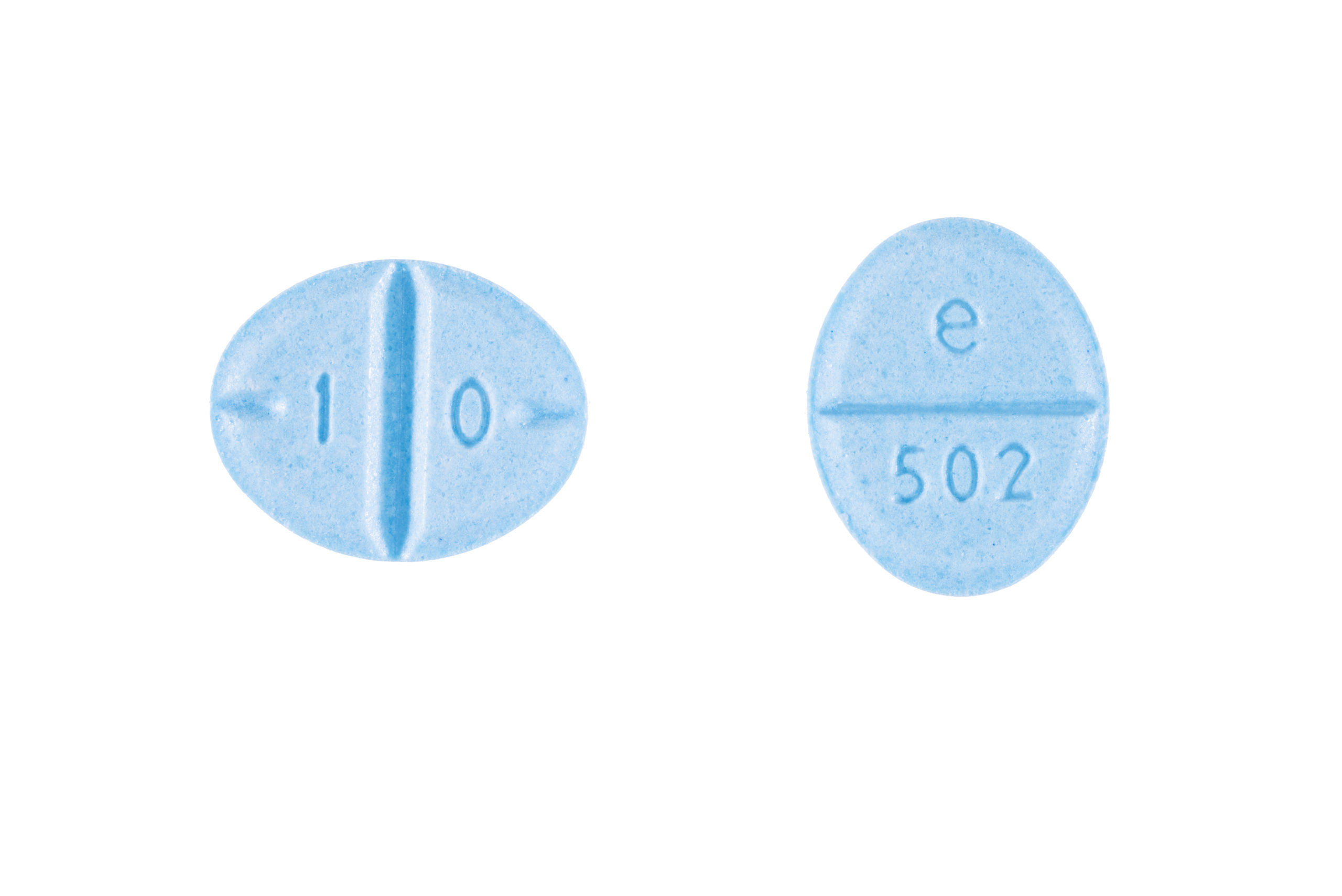

Understanding the impingement of heavy amphetamine use is crucial for address the complexities of meaning abuse and its effects on individuals and society. Amphetamines are a class of stimulant drugs that include prescription medications like Adderall and illicit substances like methamphetamine. While these drugs can have legitimise medical uses, their misuse and abuse can guide to severe health consequences and social issues.
What Are Amphetamines?
Amphetamines are cardinal queasy system stimulants that increase vigilance, attending, and energy. They work by raise the activity of neurotransmitters such as dopamine and norepinephrine in the brain. Prescription amphetamines are often used to treat conditions like care deficit hyperactivity disorder (ADHD) and narcolepsy. However, their potential for abuse and addiction makes them a substantial concern in public health.
The Rise of Heavy Amphetamine Use
Heavy amphetamine use has become a growing trouble in many parts of the existence. The availability of both prescription and illicit amphetamines has give to this trend. Factors such as easy access, peer pressure, and the desire for enhanced performance in academic or professional settings can lead individuals to misuse these drugs. The rise of heavy amphetamine use is particularly alarming because of the severe health risks associated with extend and excessive use.
Health Risks of Heavy Amphetamine Use
Heavy amphetamine use can have profound and lasting effects on both physical and mental health. Some of the most significant risks include:
- Cardiovascular Problems: Amphetamines can cause rapid heart rate, eminent blood pressing, and an increased risk of heart attacks and strokes.
- Neurological Issues: Prolonged use can lead to brain damage, include changes in brain structure and function.
- Psychiatric Disorders: Heavy amphetamine use is linked to an increased risk of acquire psychiatrical conditions such as anxiety, slump, and psychosis.
- Addiction: Amphetamines are highly addictive, and heavy use can guide to dependency and withdrawal symptoms.
Signs and Symptoms of Heavy Amphetamine Use
Recognizing the signs and symptoms of heavy amphetamine use is essential for early interposition and treatment. Some common indicators include:
- Physical Symptoms: Weight loss, exposit pupils, increase energy, and rapid speech.
- Behavioral Changes: Agitation, paranoia, and impulsive behavior.
- Psychological Symptoms: Mood swings, anxiety, and hallucinations.
Treatment Options for Heavy Amphetamine Use
Treating heavy amphetamine use requires a comprehensive approach that addresses both the physical and psychological aspects of habituation. Some effectual treatment options include:
- Detoxification: Medically supervised detoxification to manage withdrawal symptoms safely.
- Therapy: Cognitive behavioral therapy (CBT) and other forms of counseling to address underlying issues and acquire contend strategies.
- Medication Assisted Treatment: While there are no FDA approved medications specifically for amphetamine dependence, some medications can help negociate symptoms and cravings.
- Support Groups: Participation in indorse groups like Narcotics Anonymous can provide ongoing support and encouragement.
Preventing Heavy Amphetamine Use
Prevention is key to reduce the preponderance of heavy amphetamine use. Effective prevention strategies include:
- Education: Raising awareness about the dangers of amphetamine use through educational programs in schools and communities.
- Regulation: Implementing strict regulations on the prescription and distribution of amphetamines.
- Support Systems: Providing support systems for individuals at risk, such as advise services and community resources.
The Impact of Heavy Amphetamine Use on Society
Heavy amphetamine use has far reaching effects on society, affect not only individuals but also families, communities, and the healthcare system. Some of the social impacts include:
- Economic Costs: The financial burden of treating amphetamine colligate health issues and the loss of productivity due to addiction.
- Criminal Activity: Increased crime rates affiliate with the illegal distribution and use of amphetamines.
- Social Stigma: The stigma surrounding substance abuse can prevent individuals from seeking facilitate and support.
Case Studies and Statistics
To better see the scope of heavy amphetamine use, it is helpful to examine case studies and statistics. for case, a study conducted by the National Institute on Drug Abuse (NIDA) found that:
| Year | Number of Amphetamine Related ER Visits | Percentage Increase from Previous Year |
|---|---|---|
| 2015 | 10, 000 | 5 |
| 2016 | 10, 500 | 5 |
| 2017 | 11, 000 | 5 |
| 2018 | 11, 500 | 5 |
| 2019 | 12, 000 | 4 |
These statistics spotlight the increasing trend of amphetamine related emergency room visits, underscoring the demand for effectual prevention and treatment strategies.
Note: The statistics furnish are hypothetical and for illustrative purposes only. Actual data may vary.
Long Term Effects of Heavy Amphetamine Use
Heavy amphetamine use can have long term effects on both physical and mental health. Some of the most significant long term effects include:
- Brain Damage: Chronic use can lead to permanent changes in brain structure and use, affecting cognitive abilities and emotional ordinance.
- Cardiovascular Disease: Prolonged use can increase the risk of heart disease, stroke, and other cardiovascular problems.
- Mental Health Issues: Long term use is associated with an increase risk of developing psychiatric disorders such as depression, anxiety, and psychosis.
Supporting Individuals with Heavy Amphetamine Use
Supporting individuals who struggle with heavy amphetamine use is crucial for their recovery and well being. Some ways to render support include:
- Encouragement: Offering encouragement and realize can assist individuals feel endorse and move to seek treatment.
- Education: Educating yourself about amphetamine dependence can assist you punter interpret the challenges faced by the individual.
- Professional Help: Encouraging the case-by-case to assay professional aid, such as therapy or support groups, can provide the necessary tools for recovery.
Heavy amphetamine use is a complex issue that requires a multifaceted approach to address its assorted aspects. By read the risks, recognizing the signs, and providing effectual treatment and endorse, we can assist individuals overcome dependance and take healthier lives. The wallop of heavy amphetamine use extends beyond the individual, affecting families, communities, and society as a whole. Through education, bar, and comprehensive treatment strategies, we can work towards cut the prevalence of heavy amphetamine use and its associated health and social issues.