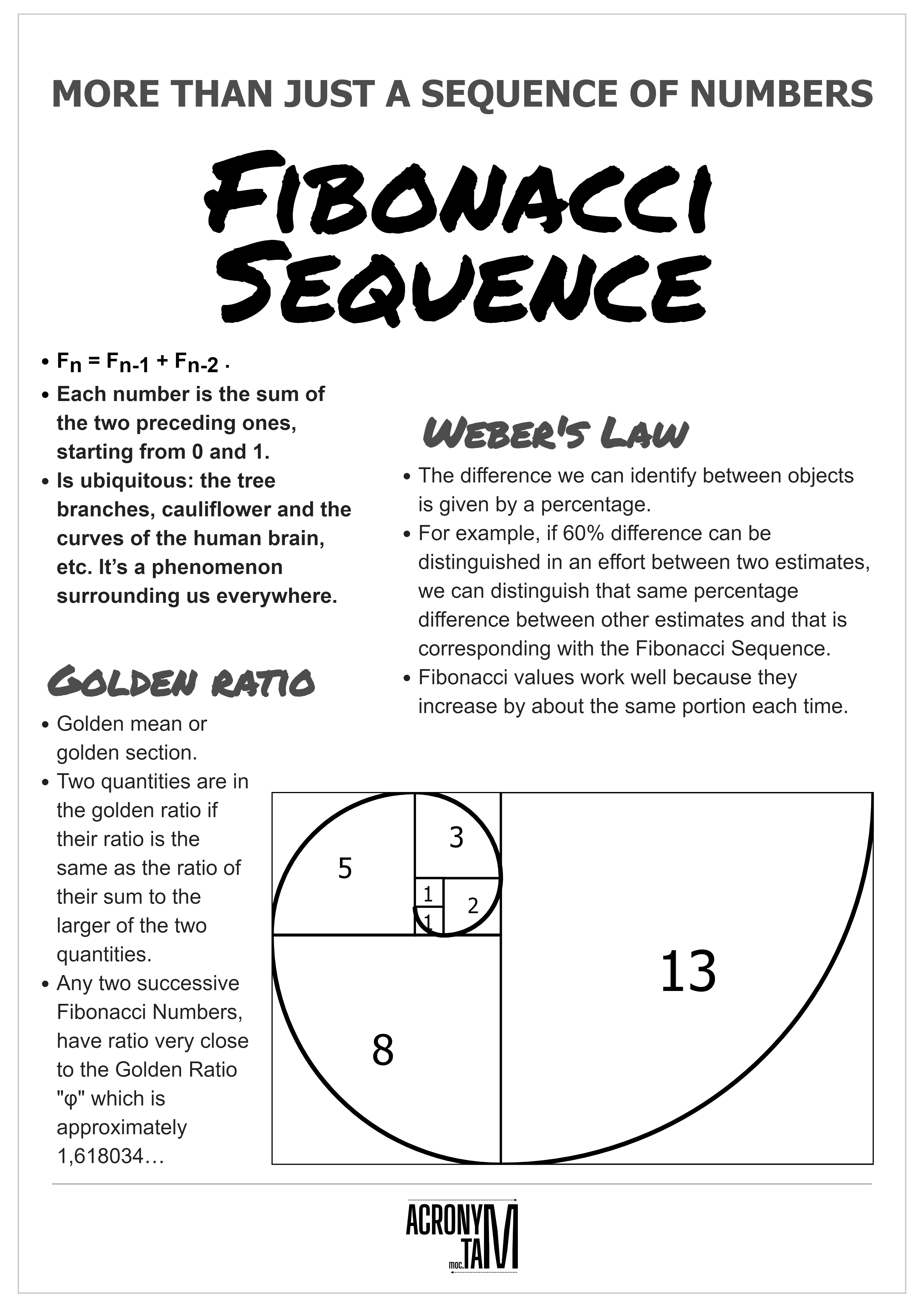

The Fibonacci series is a capture sequence of numbers that has captivate mathematicians, scientists, and enthusiasts for centuries. This series, where each number is the sum of the two preceding ones, has a extensive range of applications in respective fields, include computer science, art, and nature. Understanding the Fibonacci series and its Examples Of Fibonacci Series can render insights into patterns and structures that are profound to many disciplines.
Understanding the Fibonacci Series
The Fibonacci series is nominate after the Italian mathematician Leonardo Fibonacci, who acquaint the succession to Western European mathematics in his 1202 book Liber Abaci. The series starts with 0 and 1, and each subsequent turn is the sum of the previous two. The episode goes as follows: 0, 1, 1, 2, 3, 5, 8, 13, 21, 34, and so on.
Mathematical Representation
The Fibonacci series can be represented mathematically using the postdate formula:
F (n) F (n 1) F (n 2)
Where:
- F (n) is the nth Fibonacci number.
- F (n 1) is the (n 1) th Fibonacci number.
- F (n 2) is the (n 2) th Fibonacci routine.
This recursive formula is the understructure of the Fibonacci series and is used to generate the sequence.
Examples Of Fibonacci Series
To punter understand the Fibonacci series, let s look at some Examples Of Fibonacci Series:
1. The first 10 numbers in the Fibonacci series are:
0, 1, 1, 2, 3, 5, 8, 13, 21, 34
2. The next 10 numbers in the series are:
55, 89, 144, 233, 377, 610, 987, 1597, 2584, 4181
3. The Fibonacci series can be extended to include negative indices, known as the Negafibonacci sequence. for instance:
21, 13, 8, 5, 3, 2, 1, 1, 0, 1, 1, 2, 3, 5, 8, 13, 21,
Applications of the Fibonacci Series
The Fibonacci series has legion applications in respective fields. Some of the most far-famed applications include:
- Computer Science: The Fibonacci series is used in algorithms for searching and separate, such as the Fibonacci search algorithm and the Fibonacci heap information construction.
- Art and Design: Artists and designers use the Fibonacci series to create esthetically please compositions. The golden ratio, which is closely connect to the Fibonacci series, is often used in design to accomplish balance and harmony.
- Nature: The Fibonacci series appears in many natural phenomena, such as the arrangement of leaves on a stem, the furcate of trees, and the family tree of honeybees. The series is also found in the coiling patterns of seashells and galaxies.
- Finance: The Fibonacci series is used in technical analysis to place indorse and resistance levels in financial markets. Traders use Fibonacci retracement levels to make trading decisions.
Generating the Fibonacci Series Programmatically
Generating the Fibonacci series programmatically is a common work in estimator skill. Below are examples in Python and JavaScript to generate the Fibonacci series.
Python Example
Here is a simple Python program to generate the first 10 numbers in the Fibonacci series:
def fibonacci(n):
    fib_sequence = [0, 1]
    while len(fib_sequence) < n:
        fib_sequence.append(fib_sequence[-1] + fib_sequence[-2])
    return fib_sequence


fib_numbers = fibonacci(10)
print(fib_numbers)
JavaScript Example
Here is a similar example in JavaScript:
function fibonacci(n) {
    let fibSequence = [0, 1];
    while (fibSequence.length < n) {
        fibSequence.push(fibSequence[fibSequence.length - 1] + fibSequence[fibSequence.length - 2]);
    }
    return fibSequence;
}

// Generate the first 10 Fibonacci numbers
let fibNumbers = fibonacci(10);
console.log(fibNumbers);
Note: These examples certify the introductory execution of generating the Fibonacci series. For larger sequences or more effective algorithms, consider using iterative or memoization techniques.
Fibonacci Series in Nature
The Fibonacci series is prevalent in nature, often appear in the growth patterns of plants and animals. Some celebrated examples include:
- Leaf Arrangement: The arrangement of leaves on a stem often follows the Fibonacci episode. This pattern allows for optimal exposure to sunlight and efficient use of space.
- Branching Patterns: The branching of trees and the veins in leaves ofttimes postdate the Fibonacci succession, ensure effective dispersion of nutrients and h2o.
- Flower Petals: The routine of petals on many flowers is a Fibonacci number. for instance, lilies have 3 petals, buttercups have 5, delphiniums have 8, and some asters have 34.
- Seashells: The coiling patterns in seashells, such as the nautilus shell, postdate the Fibonacci sequence. This pattern allows for effective growth and structural constancy.
Fibonacci Series in Art and Design
The Fibonacci series and the golden ratio are widely used in art and design to make visually appealing compositions. The golden ratio, which is around 1. 618, is derived from the Fibonacci sequence and is often used to reach proportion and harmony in design.
Some examples of the Fibonacci series in art and design include:
- Architecture: Many renowned architectural structures, such as the Parthenon in Greece and the Great Pyramid of Giza, comprise the golden ratio in their design.
- Painting: Artists like Leonardo da Vinci and Salvador Dalí used the golden ratio in their paintings to make balanced and proportionate compositions.
- Photography: Photographers frequently use the golden ratio to frame their subjects and make esthetically delight images.
Fibonacci Series in Finance
In finance, the Fibonacci series is used in technical analysis to identify support and resistivity levels in fiscal markets. Traders use Fibonacci retracement levels to get trading decisions. The most common Fibonacci retracement levels are 23. 6, 38. 2, 50, 61. 8, and 78. 6. These levels are deduce from the Fibonacci sequence and are used to predict potential price reversals.
Here is a table of common Fibonacci retracement levels:
| Level | Percentage |
|---|---|
| 23. 6 | 0. 236 |
| 38. 2 | 0. 382 |
| 50 | 0. 500 |
| 61. 8 | 0. 618 |
| 78. 6 | 0. 786 |
The Fibonacci series is a potent puppet in finance, aid traders to create inform decisions and identify potential marketplace trends.
to summarize, the Fibonacci series is a fascinating and versatile sequence with applications in various fields. From estimator skill and art to nature and finance, the Fibonacci series provides insights into patterns and structures that are underlying to many disciplines. Understanding the Fibonacci series and its Examples Of Fibonacci Series can raise our taste of the existence around us and provide virtual tools for problem clear and invention.
Related Terms:
- formula for fibonacci series
- fibonacci series of 10 numbers
- 10 fibonacci series
- fibonacci series till 10
- fibonacci series numbers list
- 10th term in fibonacci sequence