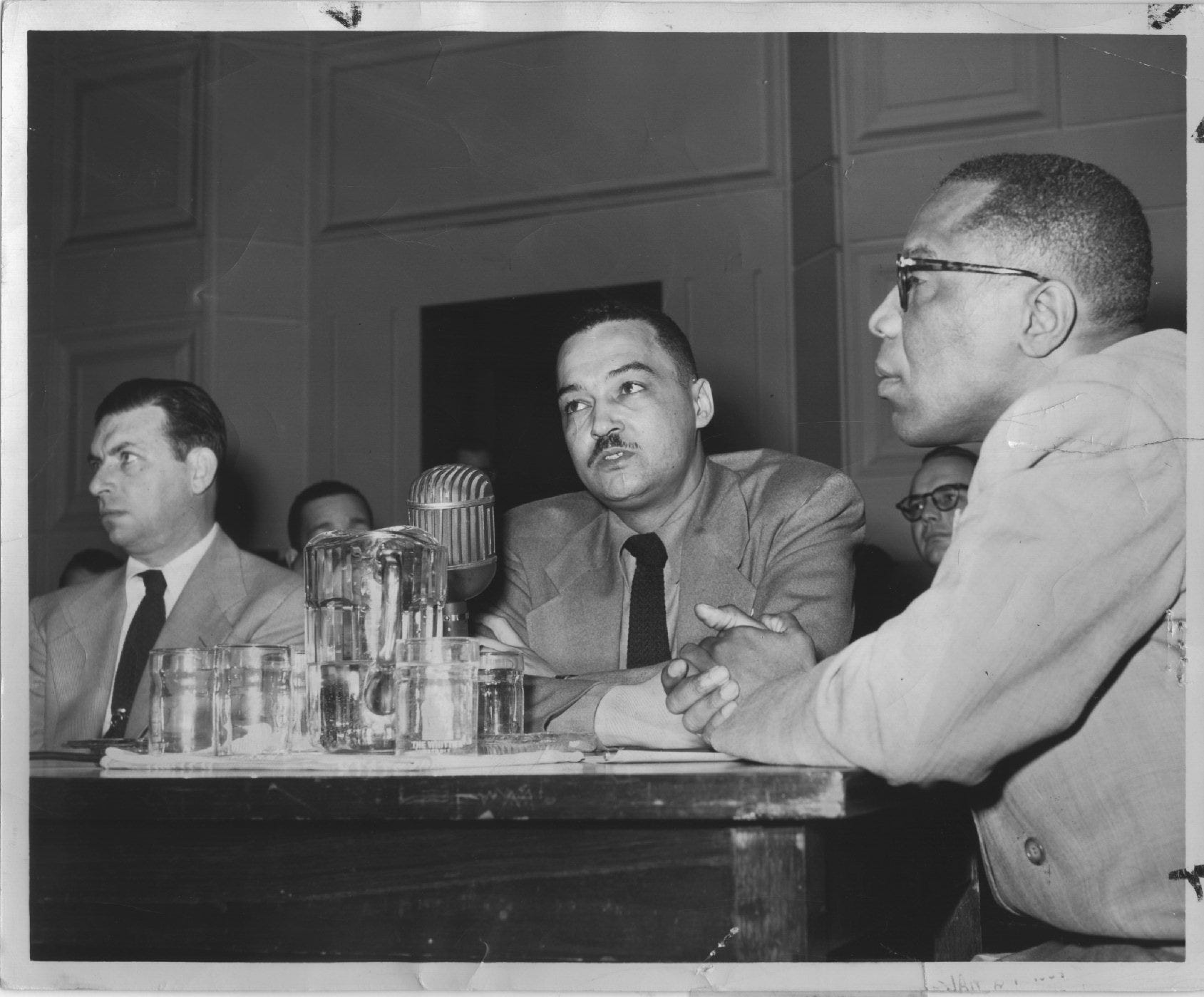

Detroit, a city rich in history and acculturation, has seen its fair partake of leaders who have work its trajectory. Among these noted figures, Coleman A. Young stands out as one of the most influential mayors in the city's history. His incumbency, sweep from 1974 to 1994, was marked by significant changes and challenges that preserve to resonate today. This post delves into the life, legacy, and wallop of Coleman A. Young, exploring how his leadership charm Detroit's political, economical, and societal landscape.
Early Life and Political Ascension
Coleman Alexander Young was born on May 24, 1918, in Tuscaloosa, Alabama. His early life was influence by the racial segregation and economic hardships of the Jim Crow era. Young's family moved to Detroit in the 1920s as part of the Great Migration, try punter opportunities in the industrial North. Growing up in Detroit, Young see firsthand the struggles of the African American community and the systemic inequalities they faced.
Young's political vocation began in earnest during the 1940s. He served in the U. S. Army during World War II, an experience that further perfect his leadership skills. Upon returning to Detroit, he became actively affect in local politics. His magnetic personality and strong advocacy for civil rights cursorily gained him a following. In 1964, Young was elect to the Michigan State Senate, where he continue to champion issues important to the African American community.
The Rise to Mayoralty
In 1973, Coleman A. Young made history by go the first African American mayor of Detroit. His election was a watershed moment for the city, symbolizing a shift in ability dynamics and a new era of representation for the African American community. Young's campaign focused on addressing the weigh issues of urban decay, economic stagnancy, and racial inequality that molest Detroit.
Young's victory was not without controversy. His outspoken nature and unapologetic stance on racial issues often put him at odds with both his political opponents and some segments of the Detroit community. However, his supporters saw him as a champion of the underrepresented, a voice for those who had long been marginalized.
Challenges and Controversies
Coleman A. Young's tenure as mayor was marked by both significant achievements and considerable controversies. One of the most famous challenges he faced was the economical decline of Detroit. The city's once thriving automotive industry was in steep decline, leading to widespread unemployment and a flinch tax found. Young's administration implemented various initiatives to regenerate the city's economy, include efforts to attract new businesses and advertize urban development.
However, Young's approach to urban renewal was not without critique. Some of his policies, such as the wipeout of plague neighborhoods and the construction of new housing projects, were seen as disruptive and insensitive to the needs of long time residents. Additionally, his administration faced allegations of putrescence and mismanagement, which further tarnish his legacy.
One of the most controversial aspects of Young's tenure was his deal of the 1967 Detroit riots. The riots, sparkle by racial tensions and police savagery, resulted in widespread demolition and loss of life. Young's response to the crisis was criticise by some as being too slow and ineffectual, while others praised his efforts to restore order and rebuild the city.
Legacy and Impact
Despite the controversies, Coleman A. Young's legacy as a leader who fought for the rights and gravitas of African Americans in Detroit is undeniable. His tenure saw significant advancements in civil rights and social justice, include the implementation of affirmative action policies and the establishment of community programs aim at endue marginalize groups.
Young's impact on Detroit's political landscape was profound. He pave the way for futurity African American leaders and prompt a new contemporaries of activists and politicians. His unapologetic stance on racial issues and his commitment to social justice proceed to influence the city's political discourse today.
Young's legacy is also apparent in the physical transformation of Detroit. Under his leadership, the city saw the building of new infrastructure, include the Joe Louis Arena and the Renaissance Center. These developments, while controversial at the time, have become iconic symbols of Detroit's resiliency and conclusion to rebuild.
Economic and Social Initiatives
One of the key areas where Coleman A. Young made a important impact was in economic development. His brass implemented several initiatives get at revitalizing Detroit's struggling economy. These include:
- Attracting New Businesses: Young's administration worked tirelessly to attract new businesses to Detroit, offer incentives and tax breaks to encourage investment.
- Urban Renewal: The city undertook encompassing urban renewal projects, including the wipeout of blight neighborhoods and the construction of new house developments.
- Infrastructure Development: Young oversaw the construction of major infrastructure projects, such as the Joe Louis Arena and the Renaissance Center, which became symbols of Detroit's rebirth.
besides economic initiatives, Young's administration also concentrate on social programs aim at amend the lineament of life for Detroit's residents. These included:
- Affirmative Action: Young enforce affirmative action policies to further diversity and comprehension in city government and private sector employment.
- Community Programs: The city established assorted community programs aimed at empowering marginalise groups, including job training initiatives and educational programs.
- Healthcare Access: Young's administration act to improve healthcare access for Detroit's residents, particularly those in underserved communities.
Young's efforts to address the city's economical and societal challenges were not without their critics. Some of his policies were seen as disruptive and insensitive to the needs of long time residents. However, his commitment to improve the lives of Detroit's residents and his unwavering advocacy for social justice remain a testament to his leading.
Coleman A. Young's Leadership Style
Coleman A. Young's leadership style was characterized by his magnetic personality, strong advocacy for civil rights, and unapologetic stance on racial issues. His ability to connect with the African American community and his commitment to societal justice made him a beloved figure among many Detroit residents. However, his outspoken nature and sometimes confrontational approach also made him a controversial build.
Young's leaders style was marked by several key traits:
- Charismatic Personality: Young's charismatic personality and strong oratory skills made him a obligate leader who could inspire and prompt his supporters.
- Strong Advocacy: His unwavering commitment to civil rights and social justice made him a champion of the underrepresented and a voice for those who had long been marginalize.
- Unapologetic Stance: Young's unapologetic stance on racial issues frequently put him at odds with his political opponents and some segments of the Detroit community. However, his supporters saw him as a fearless advocate for alter.
- Visionary Leadership: Young's vision for Detroit's hereafter was tag by a commitment to economical development, urban renewal, and social justice. His initiatives, while controversial at times, were aimed at transubstantiate the city into a more just and prospering place.
Young's leaders style had a profound impingement on Detroit's political landscape. His incumbency saw substantial advancements in civil rights and social justice, and his unapologetic stance on racial issues continues to influence the city's political discourse today.
The Detroit Riots of 1967
The Detroit riots of 1967 were a polar moment in the city's history, and Coleman A. Young's response to the crisis play a important role in shaping his legacy. The riots, sparked by racial tensions and police brutality, lead in widespread death and loss of life. Young, who was then a state senator, was deeply involved in the aftermath of the riots and play a key role in the city's recovery efforts.
Young's response to the riots was mark by a commitment to rebuilding the city and address the underlying issues that had led to the unrest. His disposal implement diverse initiatives aimed at raise economical development, urban renewal, and societal justice. These efforts, while controversial at times, were purpose at transforming Detroit into a more equitable and flourishing place.
Young's plow of the riots was not without criticism. Some of his policies, such as the demolition of blighted neighborhoods and the construction of new housing projects, were seen as disruptive and insensitive to the needs of long time residents. Additionally, his administration faced allegations of corruption and mismanagement, which further sully his legacy.
However, Young's commitment to rebuild Detroit and his unwavering advocacy for social justice remain a testament to his leadership. His efforts to address the city's economic and societal challenges, while not always successful, were get at meliorate the lives of Detroit's residents and promoting a more just and equitable society.
Young's legacy as a leader who fought for the rights and dignity of African Americans in Detroit is undeniable. His tenure saw substantial advancements in civil rights and social justice, and his unapologetic stance on racial issues continues to influence the city's political discourse today.
Young's wallop on Detroit's political landscape was profound. He pave the way for hereafter African American leaders and invigorate a new contemporaries of activists and politicians. His commitment to social justice and his unwavering advocacy for the rights of marginalise groups proceed to inspire and influence the city's political discourse today.
Young's legacy is also evident in the physical transformation of Detroit. Under his leading, the city saw the construction of new infrastructure, including the Joe Louis Arena and the Renaissance Center. These developments, while controversial at the time, have become iconic symbols of Detroit's resiliency and decision to rebuild.
Young's efforts to address the city's economic and societal challenges, while not always successful, were aimed at better the lives of Detroit's residents and promoting a more just and equitable society. His commitment to societal justice and his unwavering advocacy for the rights of marginalized groups continue to inspire and influence the city's political discourse today.
Young's legacy as a leader who fought for the rights and dignity of African Americans in Detroit is undeniable. His incumbency saw important advancements in civil rights and social justice, and his unapologetic stance on racial issues continues to influence the city's political discourse today.
Young's wallop on Detroit's political landscape was profound. He pave the way for future African American leaders and inspired a new generation of activists and politicians. His commitment to social justice and his unwavering advocacy for the rights of marginalized groups continue to inspire and influence the city's political discourse today.
Young's legacy is also evident in the physical transformation of Detroit. Under his leaders, the city saw the building of new substructure, including the Joe Louis Arena and the Renaissance Center. These developments, while controversial at the time, have become iconic symbols of Detroit's resilience and decision to rebuild.
Young's efforts to address the city's economic and societal challenges, while not always successful, were aimed at amend the lives of Detroit's residents and elevate a more just and equitable society. His commitment to social justice and his unwavering advocacy for the rights of marginalize groups preserve to inspire and influence the city's political discourse today.
Young's legacy as a leader who fought for the rights and self-regard of African Americans in Detroit is undeniable. His incumbency saw substantial advancements in civil rights and social justice, and his unapologetic stance on racial issues continues to influence the city's political discourse today.
Young's encroachment on Detroit's political landscape was profound. He paved the way for future African American leaders and animate a new generation of activists and politicians. His commitment to social justice and his unwavering advocacy for the rights of marginalise groups continue to inspire and influence the city's political discourse today.
Young's legacy is also observable in the physical transmutation of Detroit. Under his leadership, the city saw the construction of new base, include the Joe Louis Arena and the Renaissance Center. These developments, while controversial at the time, have become iconic symbols of Detroit's resilience and determination to rebuild.
Young's efforts to address the city's economic and societal challenges, while not always successful, were aimed at meliorate the lives of Detroit's residents and promoting a more just and just society. His commitment to social justice and his unwavering advocacy for the rights of marginalized groups continue to inspire and influence the city's political discourse today.
Young's legacy as a leader who fought for the rights and gravitas of African Americans in Detroit is undeniable. His tenure saw significant advancements in civil rights and societal justice, and his unapologetic stance on racial issues continues to influence the city's political discourse today.
Young's impingement on Detroit's political landscape was profound. He pave the way for futurity African American leaders and instigate a new coevals of activists and politicians. His commitment to societal justice and his unwavering advocacy for the rights of marginalise groups proceed to inspire and influence the city's political discourse today.
Young's legacy is also patent in the physical transformation of Detroit. Under his leadership, the city saw the building of new base, including the Joe Louis Arena and the Renaissance Center. These developments, while controversial at the time, have get iconic symbols of Detroit's resiliency and purpose to rebuild.
Young's efforts to address the city's economic and societal challenges, while not always successful, were aimed at improving the lives of Detroit's residents and promoting a more just and equitable society. His commitment to social justice and his unwavering advocacy for the rights of marginalize groups continue to inspire and influence the city's political discourse today.
Young's legacy as a leader who fought for the rights and gravitas of African Americans in Detroit is undeniable. His incumbency saw significant advancements in civil rights and social justice, and his unapologetic stance on racial issues continues to influence the city's political discourse today.
Young's impingement on Detroit's political landscape was profound. He paved the way for futurity African American leaders and inspired a new coevals of activists and politicians. His commitment to social justice and his unwavering advocacy for the rights of marginalized groups continue to inspire and influence the city's political discourse today.
Young's legacy is also apparent in the physical transformation of Detroit. Under his leaders, the city saw the construction of new infrastructure, include the Joe Louis Arena and the Renaissance Center. These developments, while controversial at the time, have become iconic symbols of Detroit's resilience and determination to rebuild.
Young's efforts to address the city's economical and societal challenges, while not always successful, were aimed at improving the lives of Detroit's residents and further a more just and equitable society. His commitment to societal justice and his unwavering advocacy for the rights of marginalized groups continue to inspire and influence the city's political discourse today.
Young's legacy as a leader who fought for the rights and dignity of African Americans in Detroit is undeniable. His incumbency saw important advancements in civil rights and societal justice, and his unapologetic stance on racial issues continues to influence the city's political discourse today.
Young's wallop on Detroit's political landscape was profound. He pave the way for hereafter African American leaders and enliven a new generation of activists and politicians. His commitment to social justice and his unwavering advocacy for the rights of marginalize groups proceed to inspire and influence the city's political discourse today.
Young's legacy is also evident in the physical transformation of Detroit. Under his leadership, the city saw the construction of new infrastructure, include the Joe Louis Arena and the Renaissance Center. These developments, while controversial at the time, have become iconic symbols of Detroit's resilience and finding to rebuild.
Young's efforts to address the city's economical and social challenges, while not always successful, were get at improving the lives of Detroit's residents and raise a more just and equitable society. His commitment to societal justice and his unwavering advocacy for the rights of marginalized groups continue to inspire and influence the city's political discourse today.
Young's legacy as a leader who fought for the rights and self-worth of African Americans in Detroit is undeniable. His incumbency saw substantial advancements in civil rights and social justice, and his unapologetic stance on racial issues continues to influence the city's political discourse today.
Young's wallop on Detroit's political landscape was profound. He pave the way for futurity African American leaders and instigate a new generation of activists and politicians. His commitment to societal justice and his unwavering advocacy for the rights of marginalized groups continue to inspire and influence the city's political discourse today.
Young's legacy is also evident in the physical transformation of Detroit. Under his leading, the city saw the building of new infrastructure, including the Joe Louis Arena and the Renaissance Center. These developments, while controversial at the time, have become iconic symbols of Detroit's resiliency and determination to rebuild.
Young's efforts to address the city's economical and social challenges, while not always successful, were aimed at better the lives of Detroit's residents and further a more just and equitable society. His commitment to societal justice and his unwavering advocacy for the rights of marginalized groups proceed to inspire and influence the city's political discourse today.
Young's legacy as a leader who fought for the rights and gravitas of African Americans in Detroit is undeniable. His tenure saw significant advancements in civil rights and social justice, and his unapologetic stance on racial issues continues to influence the city's political discourse today.
Young's wallop on Detroit's political landscape was profound. He paved the way for futurity African American leaders and instigate a new generation of activists and politicians. His commitment to social justice and his unwavering advocacy for the rights of marginalized groups keep to inspire and influence the city's political discourse today.
Young's legacy is also manifest in the physical shift of Detroit. Under his leadership, the city saw the construction of new substructure, including the Joe Louis Arena and the Renaissance Center. These developments, while controversial at the time, have become iconic symbols of Detroit's resilience and finding to rebuild.
Young's efforts to address the city's economic and societal challenges, while not always successful, were aimed at improve the lives of Detroit's residents and promoting a more just and equitable society. His commitment to societal justice and his unwavering advocacy for the rights of marginalize groups continue to inspire and influence the city's political discourse today.
Young's legacy as a leader who fought for the rights and gravitas of African Americans in Detroit is undeniable. His incumbency saw substantial advancements in civil rights and social justice, and his unapologetic stance on racial issues continues to influence the city's political discourse today.
Young's encroachment on Detroit's political landscape was profound. He paved the way for hereafter African American leaders and enliven a new coevals of activists and politicians. His commitment to social justice and his unwavering advocacy for the rights of marginalized groups proceed to inspire and influence the city's political discourse today.
Young's legacy is also evident in the physical transformation of Detroit. Under his leadership, the city saw the expression of new infrastructure, include the Joe Louis Arena and the Renaissance Center. These developments, while controversial at the time, have get iconic symbols of Detroit's resiliency and conclusion to rebuild.
Young's efforts to address the city's economic and societal challenges, while not always successful, were propose at amend the lives of Detroit's residents and promoting a more just and equitable society. His commitment to societal justice and his unwavering advocacy for the rights of marginalized groups continue to inspire and influence the city's political discourse today.
Young's legacy as a leader who fought for the rights and self-regard of African Americans in Detroit is undeniable. His tenure saw substantial advancements in civil rights and societal justice, and his unapologetic stance on racial issues continues to influence the city's political discourse today.
Young s impact on Detroit s political landscape was profound. He pave the way for hereafter
Related Terms:
- coleman young biography
- coleman young achievements
- coleman young family life
- coleman young jr
- coleman a young municipal cen
- coleman a young municipal